The most effective way to prevent ice dams is to keep your roof deck cold so snow melts evenly instead of refreezing at the eaves. That means sealing attic air leaks, adding insulation, and balancing soffit and ridge ventilation. Roof rakes and heat cables help in the short term, but they treat the symptom, not the cause.
In the Chicago area, winter temperatures swing above and below freezing week after week. When a warm attic meets that freeze-thaw cycle, an ice dam can build within days.
What is an ice dam? An ice dam is a ridge of ice that forms along the edge of a roof when snow, melted by heat escaping from the attic, refreezes over the colder eaves. Water then pools behind the ice, backs up under the shingles, and leaks into ceilings, walls, and insulation.
What Causes Ice Dams on Chicago-Area Roofs?
Ice dams are caused by heat escaping from your living space into the attic, which warms the roof deck and melts the snow sitting on top of it. The meltwater runs down to the eaves, which hang past the exterior walls and stay cold. There it refreezes, and each melt adds another layer to the dam.
Three conditions create that warm roof deck:
- Air leaks into the attic: Gaps around recessed lights, attic hatches, plumbing stacks, and top plates let warm, moist air rise into the attic.
- Too little insulation: Thin or compressed attic insulation lets heat pass through the ceiling and into the roof framing.
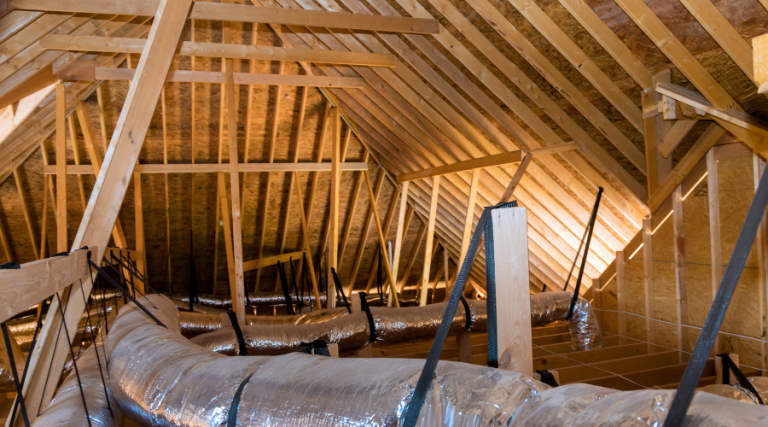
- Poor attic ventilation: Without balanced intake at the soffits and exhaust at the ridge, warm air stays trapped under the roof deck.
Chicago-area homes face extra risk. Many older bungalows, Cape Cods, and homes with finished attic spaces in Villa Park, Elmhurst, and the city have little room for insulation and blocked soffit vents. Add repeated snowfalls and freeze-thaw swings, and ice dams return every winter until the attic itself is fixed.
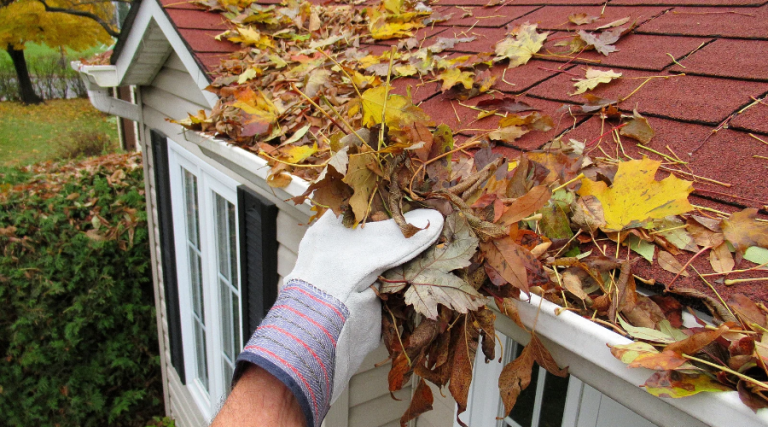
Gutters are not the root cause. Clogged gutters can make a dam heavier and harder to drain, but the melting starts with attic heat. For a deeper look at how trapped attic air damages a roof, see our guide to attic ventilation problems.

Which Ice Dam Prevention Methods Work Best?
Permanent fixes stop the attic heat that causes ice dams; temporary fixes only manage the snow and ice once it builds. The methods below are ranked from most to least effective.
1. Seal attic air leaks first
Air sealing is the single most important step because warm, moist air moves far more heat into the attic than conduction through insulation. Seal gaps around recessed lights, bath fans, plumbing and vent stacks, chimney chases, and the attic hatch before adding insulation.
2. Add attic insulation
Insulation slows the heat that passes through your ceiling into the roof framing. Many older Chicago-area homes have far less than the recommended depth, especially along the edges of the attic floor where the roof slopes down.
3. Balance your attic ventilation
Intake vents at the soffits pull cold air in, and exhaust vents at the ridge let warm air out. Both must be open and sized correctly. Insulation stuffed into soffit bays is one of the most common problems we find during a roof inspection.
4. Install ice and water shield when you reroof
Ice and water shield does not stop an ice dam from forming, but it keeps water out of your home if one does. It is the right time to add or extend it during a roof replacement.
5. Rake snow off the lower roof
After heavy snowfall, use a roof rake with an extendable handle to clear the bottom 3 to 4 feet of snow from the ground. Never climb onto a snowy or icy roof.
6. Use heat cables as a backup
Heat cables melt drainage paths through the ice along the eaves and in gutters. They work best on known trouble spots, but they add to your electric bill and do nothing about attic heat.
Does Ice and Water Shield Stop Ice Dams?
No, ice and water shield does not stop ice dams, but it is your roof’s best defense against the leaks they cause. It is a self-adhering waterproof membrane installed under the shingles along the eaves, valleys, and around penetrations. When water backs up behind an ice dam, the membrane seals around nails and keeps that water out of the roof deck.
The International Residential Code requires an ice barrier in areas with a history of ice forming along the eaves. It must run from the roof edge to at least 24 inches inside the exterior wall line of the home. On homes with low-slope roofs or deep overhangs, Aegis often extends it further.
Learn more in our full guide to ice and water shield.
What Are the Warning Signs of an Ice Dam?
The clearest sign of an ice dam is a thick ridge of ice along the roof edge with snow piled behind it. Inside the home, the damage often shows up first near exterior walls.
Watch for these signs:
- Large icicles hanging from the gutters or eaves
- Ice forming behind or on top of the gutters
- Water stains or peeling paint on ceilings near exterior walls
- Damp or compressed insulation in the attic
- Frost or water droplets on the underside of the roof deck
- Melted bare patches on the upper roof while the lower roof stays covered
If you see the same icicles or ice ridges every winter, the problem is almost always in the attic. A professional inspection can pinpoint the air leaks and ventilation gaps behind it.
What Should You Do If an Ice Dam Has Already Formed?
If an ice dam has formed, your first priority is to stop water from getting inside, then reduce the ice safely from the ground. Follow these steps:
- Check for leaks inside: Look at ceilings, walls, and the attic near the affected eave. Move belongings and place buckets or towels under any drips.
- Rake the snow behind the dam: From the ground, use a roof rake to remove snow above the ice so less meltwater feeds it.
- Melt a drainage channel: Fill a nylon stocking with calcium chloride ice melt and lay it across the dam so it hangs over the gutter. It slowly melts a path for water to drain.
- Photograph any damage: Take dated photos of the ice, icicles, and interior stains before cleanup. You will need them for an insurance claim.
- Call a roofer for removal and repair: Professional crews use low-pressure steam to remove ice without damaging shingles, then check for lifted shingles and failed flashing that need roof repair.
What not to do:
- Do not use rock salt. It can damage shingles, corrode gutters and flashing, and kill plants below.
- Do not chip ice with a hammer, axe, or shovel. It breaks shingles and punctures the roof.
- Do not climb onto a snowy or icy roof.
- Do not bang on gutters to knock ice loose. It can bend or tear them off the fascia.
- Do not use a pressure washer or open flame on the ice.
Does Homeowners Insurance Cover Ice Dam Damage?
Most homeowners insurance policies cover sudden interior water damage caused by an ice dam, but not the cost of removing the ice itself. Coverage depends on your policy, and insurers may deny claims they view as caused by neglected maintenance.
To protect your claim:
- Photograph the ice dam and any interior damage before cleanup.
- Stop further water entry as quickly as you can.
- Keep receipts for emergency repairs, tarps, and drying equipment.
- Have a licensed roofer document roof damage, such as lifted shingles or failed flashing.
Aegis helps Chicago-area homeowners document roof damage and work through the insurance claim process. Always confirm your coverage with your insurance agent.
Stop Ice Dams Before They Start
If your home gets ice dams every winter, the fix is in your attic and roof, not your gutters. Aegis Construction Group is a licensed Illinois roofer (IL-LIC #104.017330) serving Chicago, Villa Park, Elmhurst, and the surrounding suburbs. We inspect attic ventilation, ice and water shield coverage, and roof damage, then give you an honest recommendation.
Schedule a free roof inspection or call (773) 812-3447 before the next snowfall.
Ice Dam FAQs
How do I stop ice dams permanently?
Air seal and insulate the attic, then balance soffit and ridge ventilation so the roof deck stays cold. These fixes remove the cause of ice dams. Raking snow and installing heat cables only manage the symptoms.
Do heat cables prevent ice dams?
Heat cables melt drainage channels along the roof edge, but they do not stop the melting that creates the dam. Use them as a backup on problem areas, not as your main fix.
Can I put salt on my roof to melt ice dams?
No. Rock salt can damage shingles, corrode gutters and flashing, and kill landscaping below. Calcium chloride in a nylon stocking is the safer DIY option.
Are clogged gutters the cause of ice dams?
No. Clogged gutters can make an ice dam heavier and harder to drain, but heat escaping from the attic is what melts the snow in the first place.
How much snow should I rake off my roof?
Clear the bottom 3 to 4 feet of snow above the eaves after each heavy snowfall. Work from the ground with an extendable roof rake and leave a thin layer to avoid scraping the shingles.
When should I call a roofer about ice dams?
Call a roofer if you see water stains near exterior walls, ice forming behind your gutters, or large icicles every winter. Repeat ice dams almost always point to an attic insulation or ventilation problem.
Does a metal roof prevent ice dams?
A metal roof sheds snow faster than asphalt shingles, which reduces ice dam risk. It does not fix attic heat loss, so air sealing and ventilation still matter.