Choosing the right roofing material for your home in Illinois is one of the most important decisions you can make as a homeowner. Illinois roofs must withstand heavy snow, ice dams, hailstorms, strong winds, freeze-thaw cycles, and intense summer heat. A roofing material that performs well in another part of the country may not be the best choice for Illinois conditions.
The right roofing system can improve energy efficiency, increase home value, reduce maintenance costs, and provide decades of reliable protection. However, with so many options available, many homeowners wonder which roofing material offers the best combination of durability, appearance, and long-term value.
Quick Answer: What Are the Top 5 Roofing Materials in Illinois?
The top roofing materials for Illinois homes are architectural asphalt shingles, impact-resistant shingles, metal roofing, synthetic cedar shake roofing, and synthetic slate roofing. Each option offers unique advantages based on your budget, desired appearance, maintenance preferences, and ability to withstand Illinois weather conditions, including heavy snow, hail, strong winds, and seasonal temperature fluctuations.
What Is the Best Roofing Material for Illinois Weather?
For most Illinois homeowners, architectural asphalt shingles and impact-resistant shingles provide the best balance of affordability, durability, and weather resistance. However, homeowners looking for maximum longevity often choose metal roofing, while those seeking a premium architectural appearance increasingly select synthetic cedar shake or synthetic slate roofing.
The best roofing material ultimately depends on your goals, budget, and location within Illinois.
Why Illinois Weather Is Tough on Roofing Systems
Illinois experiences some of the most demanding weather conditions for residential roofing systems.
Freeze-Thaw Cycles
During winter and spring, temperatures often fluctuate above and below freezing. These repeated expansion and contraction cycles can cause roofing materials to crack, split, and deteriorate over time.
Snow and Ice Dams
Heavy snowfall and improper attic ventilation can lead to ice dams, which trap water on the roof and increase the risk of leaks and structural damage.
Read: How to Prevent Ice Dams On Your Roof: Causes, Tips & Solutions
Hailstorms
Illinois regularly experiences severe thunderstorms that produce damaging hail. Hail can shorten the lifespan of traditional roofing materials and lead to costly repairs.
High Winds
Strong winds associated with thunderstorms and seasonal weather systems can loosen shingles, damage flashing, and expose vulnerable areas of the roof.
Summer Heat and UV Exposure
Long periods of direct sunlight and high temperatures can accelerate aging in lower-quality roofing materials.
Because of these conditions, Illinois homeowners should prioritize roofing systems specifically designed to withstand severe weather and temperature fluctuations.
The Top 5 Roofing Materials for Illinois Homes
1. Architectural Asphalt Shingles — Best Overall Value
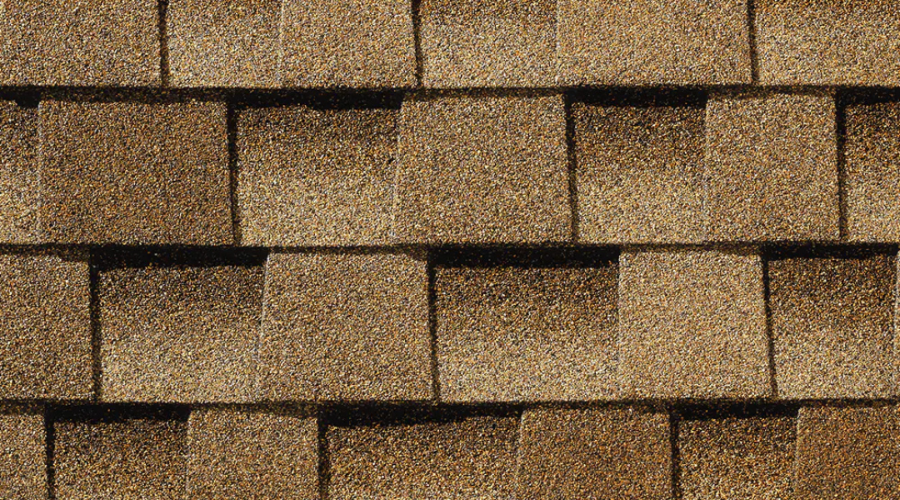
Architectural asphalt shingles remain the most popular roofing material in Illinois because they provide an excellent combination of affordability, durability, and appearance.
Pros:
- Affordable installation costs
- Wide variety of colors and styles
- Strong wind resistance
- Readily available materials
- Excellent return on investment
Cons:
- Shorter lifespan than metal or synthetic options
- Can sustain severe hail damage
Best For: Homeowners seeking the best balance of cost, performance, and curb appeal.
2. Impact-Resistant Shingles — Best for Storm Protection
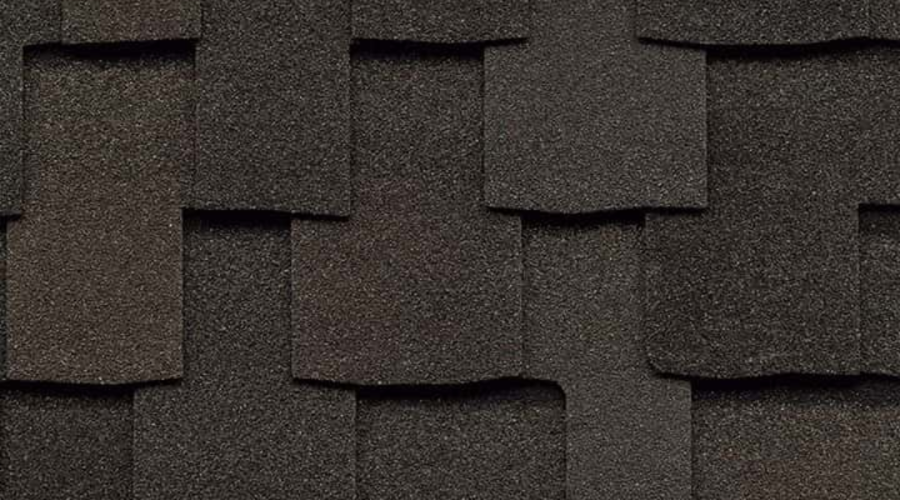
Impact-resistant shingles are specifically engineered to withstand hail and storm-related damage. Many Illinois homeowners are upgrading to Class 4 impact-resistant shingles due to the increasing frequency of severe weather events.
Pros:
- Highest hail-resistance ratings available
- Improved storm durability
- May qualify for insurance discounts
- Longer lifespan than standard shingles
Cons:
- Higher upfront cost than traditional asphalt shingles
Best For: Areas prone to hailstorms and homeowners seeking additional protection against severe weather.
3. Metal Roofing — Best for Longevity
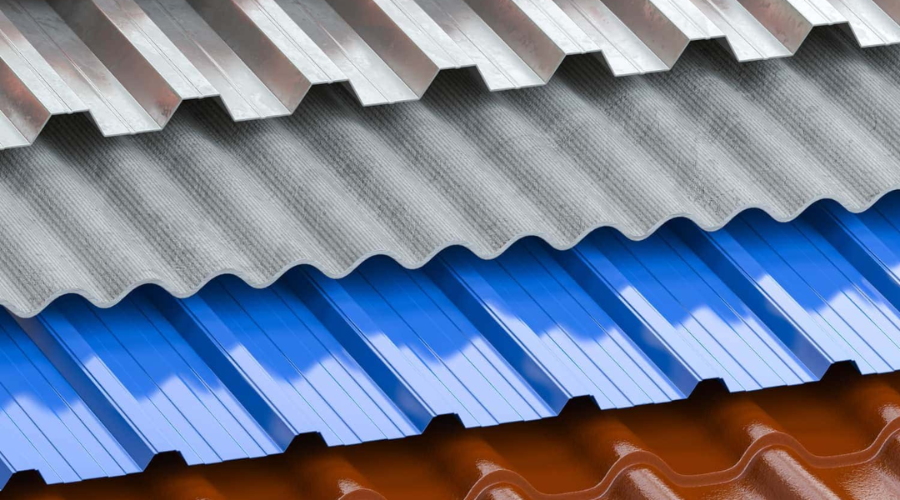
Metal roofing continues to gain popularity throughout Illinois because of its exceptional lifespan and ability to shed snow and ice efficiently.
Pros:
- Can last 40–75 years
- Excellent snow-shedding capabilities
- Highly resistant to wind damage
- Energy-efficient reflective properties
- Minimal maintenance requirements
Cons:
- Higher upfront installation cost
- Repairs may require specialized contractors
Best For: Homeowners planning to stay in their home long-term.
Read: How Long Does a Metal Roof Last? Lifespan by Matieral & What Affects It
4. Synthetic Cedar Shake Roofing — Traditional Beauty Without the Maintenance
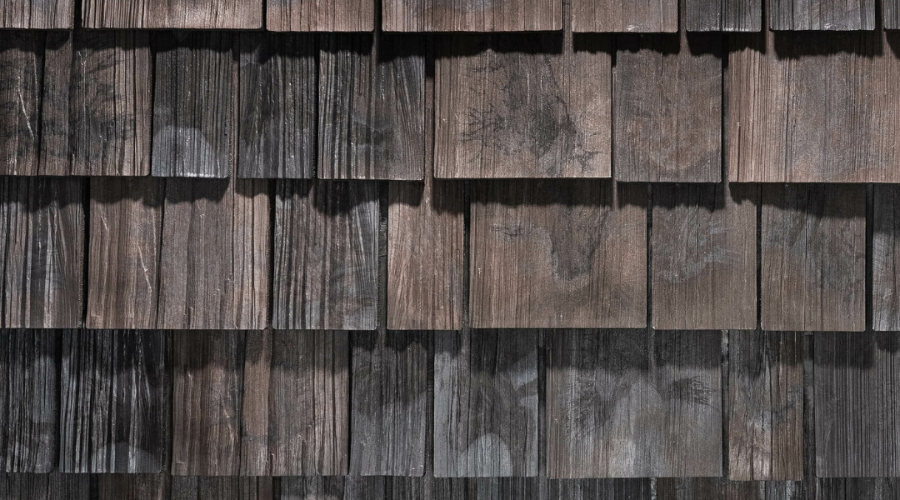
Natural cedar shake has long been admired for its rustic appearance and architectural charm. However, many Illinois homeowners are now choosing synthetic cedar shake alternatives.
Why More Homeowners Are Choosing Synthetic Cedar Shake
Synthetic cedar shake products replicate the appearance of natural wood while eliminating many of the maintenance concerns associated with traditional cedar roofing.
Compared to natural cedar shake, synthetic products offer:
- Improved moisture resistance
- Reduced maintenance requirements
- Greater resistance to rot and decay
- Better performance during freeze-thaw cycles
- Enhanced impact resistance
Best For: Homeowners who want the appearance of cedar without ongoing maintenance concerns.
Popular Synthetic Cedar Shake Brands
Two of the most popular synthetic cedar shake manufacturers we work with are Brava Roof Tile and DaVinci Roofscapes.
Brava Cedar Shake Roofing
- Made from recycled composite materials
- Designed to replicate the appearance of hand-split cedar shake
- Resistant to rot, insects, moisture, and weather-related deterioration
- Available in multiple colors and profiles
DaVinci Multi-Width Shake Roofing
- Engineered polymer construction
- Class A fire rating
- Class 4 impact resistance available
- Designed to mimic the depth and character of natural cedar shake
For homeowners who love the appearance of traditional cedar roofing but want improved durability and lower maintenance requirements, both Brava and DaVinci offer attractive alternatives to natural wood.
5. Synthetic Slate Roofing — Premium Appearance Without the Weight
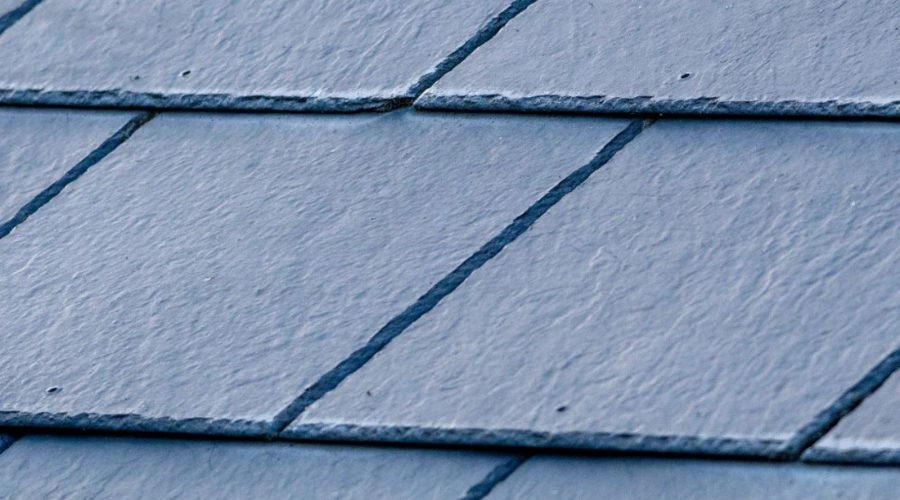
Natural slate remains one of the most beautiful roofing materials available, but many homeowners today are choosing synthetic slate alternatives.
Why Synthetic Slate Is Replacing Natural Slate on Many New Roof Installations
Natural slate is extremely durable but often requires significant structural support due to its weight. It is also among the most expensive roofing materials available.
Synthetic slate provides:
- A similar premium appearance
- Reduced roof installation costs
- Easier installation
- Lower structural requirements
- Excellent impact resistance
- Reduced maintenance demands
Many homeowners find that synthetic slate delivers the aesthetic they want without the challenges associated with natural stone roofing.
Best For: Luxury homes and homeowners seeking high-end curb appeal.
Are Natural Cedar Shake & Natural Slate Roofs Worth It?
Natural cedar shake and natural slate roofing systems can still be excellent options in certain situations, particularly for historic homes and specialty architectural projects.
However, many homeowners are increasingly choosing synthetic alternatives because they provide:
- Lower maintenance requirements
- Improved weather resistance
- Reduced installation costs
- Better impact performance
- Fewer insurance-related concerns
For new roof installations, synthetic cedar shake and synthetic slate often deliver a better balance of performance, appearance, and long-term value.
How to Choose the Right Roofing Material in Illinois
Selecting the right roofing material for your Illinois home requires careful consideration of cost, climate, durability, and long-term value. Taking the time to evaluate these factors can help you make a smart investment that protects your home for years to come.
- Step 1: Evaluate your budget and long-term plans: Consider both upfront costs and long-term value. Your decision may also depend on how long you plan to stay in the home versus whether you intend to sell in the near future.
- Step 2: Consider local weather conditions: Illinois experiences heavy snow, ice, wind, and seasonal storms. Choose a roofing material that can withstand the severity of the weather common in your specific area.
- Step 3: Prioritize energy efficiency: An energy-efficient roof can help regulate indoor temperatures and reduce heating and cooling costs throughout the year.
- Step 4: Check HOA and neighborhood requirements: Before making a final decision, ensure your chosen roofing style, color, and material comply with any HOA rules or local community guidelines.
- Step 5: Compare installation and lifecycle costs: Look beyond installation expenses and consider the total cost of ownership, including maintenance, repairs, and overall lifespan. A roof that lasts longer and requires fewer repairs often provides better long-term value.
Best Roofing Materials for Different Regions of Illinois
Illinois weather varies across the state, and the best roofing material for your home may depend on where you live.
Northern Illinois (Chicago, Rockford, Elgin, Arlington Heights)
Northern Illinois typically experiences:
- Heavier snowfall
- More frequent ice dams
- Strong winter winds
- Freeze-thaw cycles
Recommended Roofing Materials:
- Metal Roofing
- Impact-Resistant Shingles
- Architectural Asphalt Shingles
Metal roofing performs exceptionally well in Northern Illinois because snow slides off more easily, reducing snow loads and the risk of ice dam formation.
Chicagoland Area (Cook, DuPage, Lake, Kane, McHenry, Will Counties)
The Chicagoland area faces a combination of:
- Strong wind events
- Hailstorms
- Heavy snow
- Urban heat exposure
Recommended Roofing Materials:
- Impact-Resistant Shingles
- Architectural Asphalt Shingles
- Metal Roofing
Many homeowners in the Chicago suburbs choose impact-resistant shingles because they provide excellent storm protection and may qualify for insurance discounts.
Central Illinois (Peoria, Bloomington, Springfield, Champaign)
Central Illinois often experiences:
- Severe thunderstorms
- Large hail events
- High summer temperatures
- Strong seasonal winds
Recommended Roofing Materials:
- Impact-Resistant Shingles
- Metal Roofing
- Architectural Asphalt Shingles
Because hail damage is one of the most common roofing concerns in Central Illinois, impact-resistant shingles are often one of the smartest long-term investments.
Southern Illinois (Carbondale, Marion, Mount Vernon)
Southern Illinois typically experiences:
- Higher humidity levels
- More rainfall
- Severe thunderstorms
- Tornadic weather systems
Recommended Roofing Materials:
- Metal Roofing
- Impact-Resistant Shingles
- Synthetic Slate Roofing
Homeowners in Southern Illinois often benefit from roofing systems that offer excellent moisture resistance and wind performance.
Get Help Choosing the Right Roof for Your Illinois Home
Every home is different, and the best roofing material for your property depends on your budget, long-term plans, architectural style, and the weather conditions common in your area. While architectural shingles remain a popular choice for value, some homeowners benefit more from impact-resistant shingles, metal roofing, or premium synthetic roofing systems designed to withstand Illinois’ challenging climate.
At Aegis Construction Group, Inc., we help homeowners throughout Illinois make informed roofing decisions based on real-world performance, not sales pressure. Whether you’re replacing an aging roof, repairing storm damage, or exploring your options for a new installation, our experienced team can evaluate your home, explain the pros and cons of each material, and recommend the roofing system that best fits your needs and budget.
From architectural asphalt shingles and impact-resistant roofing to metal, synthetic cedar shake, and synthetic slate systems, we install high-quality roofing solutions built to handle Illinois snow, hail, wind, and seasonal temperature extremes.
Contact Aegis Construction Group today at (773) 812-3447 to schedule a free roof inspection and consultation. We’ll help you choose a roofing system that protects your home, enhances curb appeal, and delivers lasting value for years to come.
Frequently Asked Questions
What is the best roofing material for Illinois weather?
For most Illinois homeowners, architectural asphalt shingles and impact-resistant shingles offer the best balance of affordability, durability, and protection against snow, ice, hail, and strong winds. Homeowners looking for maximum longevity often choose metal roofing, while synthetic slate and synthetic cedar shake provide premium curb appeal with enhanced weather resistance.
What roofing material lasts the longest in Illinois?
Metal roofing and synthetic slate roofing typically offer the longest lifespan in Illinois. A properly installed metal roof can last 40 to 75 years, while many synthetic slate systems can exceed 50 years with minimal maintenance.
Are impact-resistant shingles worth the extra cost?
Yes. Impact-resistant shingles are designed to withstand hail and storm damage better than standard asphalt shingles. Because Illinois experiences frequent severe weather, many homeowners find the additional upfront investment worthwhile. Some insurance companies may also offer discounts for qualifying Class 4 impact-resistant roofing systems.
Is metal roofing a good choice for Illinois winters?
Yes. Metal roofing performs exceptionally well in Illinois winters because it sheds snow more easily than many other roofing materials. This can help reduce snow loads and minimize the risk of ice dam formation when combined with proper attic insulation and ventilation.
Is synthetic slate better than natural slate?
Synthetic slate offers many practical advantages over natural slate, including lower weight, easier installation, reduced structural requirements, and lower maintenance needs. While natural slate remains a premium roofing material, many homeowners choose synthetic slate because it delivers a similar appearance at a lower overall cost.