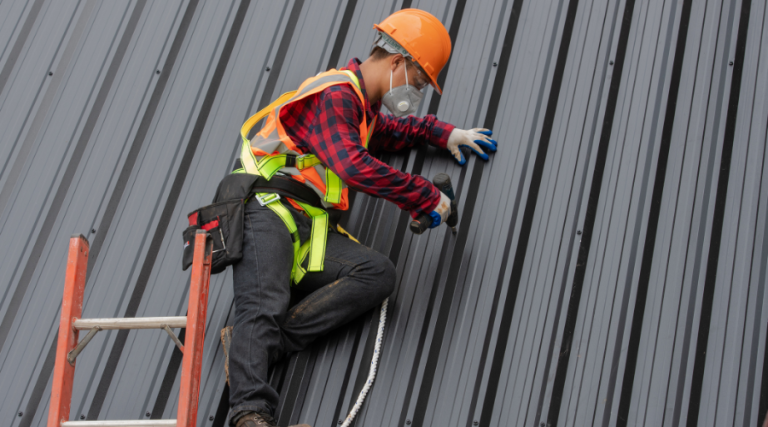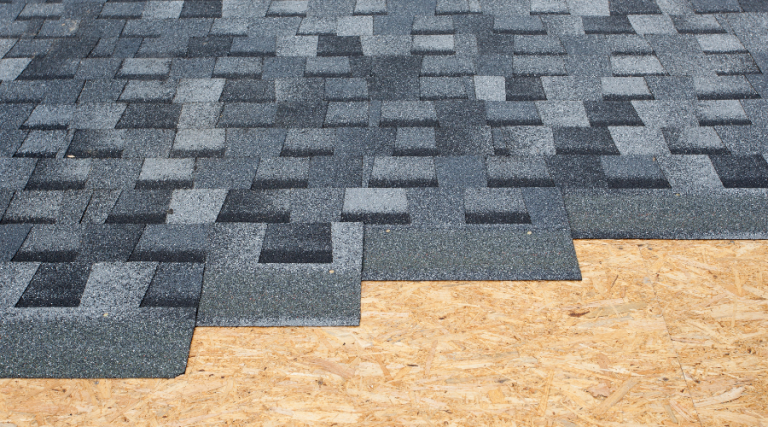
Most asphalt shingle roofs in the Chicago area need replacement every 20 to 25 years. That is shorter than the 30-year figure you will see on national roofing sites, and the reason is our climate. Freeze-thaw cycles, summer hail, heavy snow loads, and lake-effect storms age a roof faster here than in milder parts of the country. Metal, tile, and slate roofs last much longer, often 50 years or more.
But age is only half the answer. Across the 7,000+ roofs we have inspected and replaced across DuPage County and the western suburbs since 2015, the roofs that fail early almost always share the same three problems: aging 3-tab shingles, poor attic ventilation, and storm damage that was never repaired. A well-ventilated architectural shingle roof can outlast a neglected one by a decade.
This guide breaks down how long each roofing material actually lasts in the Chicago climate, the warning signs that your roof is near the end, what a replacement costs and how insurance fits in, and how to decide between repair and replacement.
Quick Answer: How Often Should a Roof Be Replaced?
- There is no universal replacement schedule. The real trigger is condition, not the calendar.
- Most asphalt shingle roofs in Chicagoland last 20 to 25 years. Metal lasts 40 to 70, tile 50 to 100, and slate 75 to 100+.
- Replace now regardless of age if you see recurring leaks, widespread shingle damage, or a sagging roofline.
- Twice-yearly inspections plus a post-storm check are the single best way to get full lifespan out of any roof.
- A proactive replacement is often cheaper than waiting for a leak to damage your attic, insulation, and ceilings.
Roof Lifespan by Roofing Material (and What We See Fail First in Chicago)
The material on your roof is the biggest single factor in how long it lasts. Here is the realistic range for each, plus what tends to go wrong first in our climate.
| Roofing Material | Typical Lifespan | What Shortens It Here |
|---|---|---|
| 3-tab asphalt shingles | 15 to 20 years | Hail, UV, freeze-thaw curling |
| Architectural asphalt shingles | 25 to 30 years | Poor ventilation, storm damage |
| Metal | 40 to 70 years | Fastener and seam wear |
| Cedar shake | 20 to 40 years | Moisture, rot, missed staining |
| Clay or concrete tile | 50 to 100 years | Cracked tiles, flashing failure |
| Slate | 75 to 100+ years | Slipped or broken slates |
| Flat / low-slope membrane | 15 to 30 years | Ponding water, seam failure |
Asphalt Shingles
Asphalt is the most common roof in the Chicago area, and lifespan depends heavily on the grade. Standard 3-tab shingles last 15 to 20 years here, closer to the low end after a few bad hail seasons. Architectural (dimensional) shingles last 25 to 30 years, and premium designer lines can reach the upper 30s with good ventilation and maintenance.
The single most common early-failure pattern we see on Chicagoland asphalt roofs is inadequate attic ventilation, which bakes shingles from underneath and cuts years off their life. To reach the top of the range, keep gutters clear, trim overhanging branches, address moss and debris, maintain balanced attic ventilation, and get an inspection after every major storm.
Metal Roofs
Metal roofs last 40 to 70 years, and premium metals such as copper and zinc can exceed 100. Metal sheds snow well and stands up to hail and ice, which is a real advantage in the Midwest. Upkeep is minimal: periodic inspection of fasteners and seams, occasional cleaning, and prompt repair of any lifted panel.
Cedar Shake Roofs
Cedar shake lasts 20 to 40 years and offers natural resistance to rot, insects, and wind. Cedar is the highest-maintenance material on this list in our climate. Plan on cleaning and staining every few years, plus regular inspections, to keep moisture from taking hold.
Clay or Concrete Tile Roofs
Tile roofs last 50 to 100 years, with warranties often running 30 years to the lifetime of the home. Because the tiles are heavy, the roof structure has to be built to carry them, so installation quality matters more than almost any other factor. Maintenance means clearing valleys and gutters twice a year and replacing cracked tiles promptly.
Slate Roofs
Slate is the longest-lasting material, at 75 to 100 years or more. It resists fire, rot, and weather, but its weight and fragility demand experienced installation. Slate should be inspected at least twice a year and after severe weather for cracked, broken, or slipped pieces.
Flat Roof Systems
Flat roofs last 15 to 30 years depending on the membrane (EPDM, TPO, or modified bitumen), installation quality, and drainage. Flat and low-slope systems are common on Chicago bungalows, garages, and additions. Quarterly drain cleaning, twice-yearly inspections, and recoating every 5 to 7 years extend their service life significantly.
Read: What Are the 5 Best Roofing Materials for Illinoios Homes in 2026
How Can You Tell How Old Your Roof Is?
If you did not have the roof installed yourself, there are a few ways to estimate its age:
- Ask the previous owner or check closing documents. Roof replacements are frequently listed in a home’s disclosure or inspection paperwork.
- Check for a permit record. Most Chicago-area municipalities require a permit for a roof replacement, so your village or city building department may have a dated record on file.
- Look for a second layer. If your roof has shingles installed over an older layer, it is likely on the older side.
- Have it inspected. The fastest and most accurate answer is a professional inspection, which reads wear patterns the way a mechanic reads a used car.
10 Signs It May Be Time to Replace Your Roof
Visible damage is the clearest signal your roof needs attention. If you spot any of these, have a roofer assess whether a repair or a full replacement makes more sense:
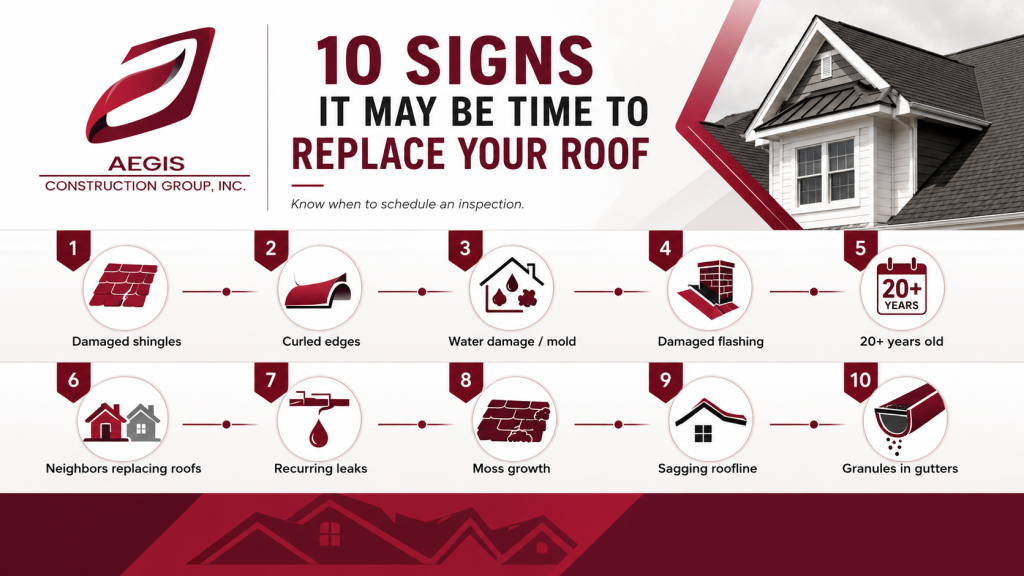
- Loose, cracked, or damaged shingles: Compromised shingles weaken the roof and let water in.
- Curled or clawing shingle edges: Curling and surface cracking mean shingles are near the end of their life, usually from years of heat and weather.
- Water damage, mold, or rot: Dark spots, discoloration, sponginess, or a musty smell point to wet decking underneath.
- Damaged flashing: Cracks, rust, bends, or missing sections around chimneys, skylights, and vents are common leak sources.
- The roof is more than 20 years old: Age alone does not condemn a roof, but past 20 years, an inspection is worth scheduling.
- Your neighbors are replacing their roofs: Homes built around the same time tend to need new roofs around the same time.
- Recurring leaks: Occasional leaks may be repairable. Frequent leaks usually point to a roof that is past saving.
- Moss growth: Moss means moisture has worked into cracks in the shingles, which leads to bigger problems.
- A sagging roofline: This is the most serious sign. Sagging means the problem has reached the structure and needs immediate attention.
- Granules in the gutters: Asphalt granules collecting in gutters mean shingles are shedding their protective layer.
Roof Repair vs. Roof Replacement: Which Makes More Sense?
The decision comes down to the extent of the damage, the age of the roof, and the long-term math.
- If the damage is confined to a small area, such as a few missing shingles or one isolated leak, a targeted roof repair is usually the right call.
- If the roof structure is sound and the damage is isolated, a repair protects your home without the cost of full roof replacement.
- But if you are repairing the same roof every season, replacement often costs less over time. Each repair buys less life as the roof ages, while the underlying roof keeps deteriorating.
A useful rule of thumb: If the roof is past 75 percent of its expected lifespan and needs a significant repair, replacement is usually the smarter money.
Will Homeowners Insurance Pay for a Roof Replacement?
Sometimes, and it depends on the cause. Most policies cover roof damage from a sudden, covered event such as a hailstorm, high winds, or a fallen tree, according to the Insurance Information Institute. They typically do not cover replacement due to normal age and wear, which is considered a maintenance issue.
If your roof was damaged in a Chicago-area storm, timing matters, since most policies have a window for filing a claim. We inspect for storm and hail damage, document it, and can help you navigate the claim process so nothing gets missed. Do not let an adjuster be the only set of eyes on your roof.
Do You Need a Permit to Replace a Roof in Illinois?
In most cases, yes. The majority of Chicago-area municipalities require a building permit for a full roof replacement or tear-off. Requirements and fees vary by village, so check with your local building department, such as the Village of Elmhurst building department. Skipping a required permit can cause problems when you sell the home, so it is worth confirming.
Can You Replace a Roof in Winter in Chicago?
Yes, roofs can be replaced year-round here, but winter installs require care. Asphalt shingles have a sealant strip that needs warmth to bond, so in cold temperatures a crew hand-seals shingles to make sure they lock down. Reputable roofers adjust their methods for the season rather than turning work away. That said, fall is the most popular time to replace a roof in Chicagoland, so scheduling ahead helps you avoid the rush and get ahead of winter weather.
How Long Does a Roof Replacement Take?
Most asphalt shingle replacements on an average single-family home take one to three days, weather permitting. Larger homes, steep or complex roofs, tile, slate, and jobs that turn up rotted decking take longer. A good contractor gives you a realistic timeline in the written estimate before work begins.
Does a New Roof Increase Home Value?
Yes, and it is one of the best exterior investments you can make. According to the most recent Remodeling Cost vs. Value Report, a new asphalt shingle roof recoups about 69 percent of its cost at resale in our region (the East North Central division that includes Illinois), and closer to 67 percent nationally. On a typical regional project, that is roughly $21,500 in resale value recovered on a job averaging around $31,900.
A new roof also removes a major objection for buyers, since a roof near the end of its life is one of the first things a home inspector flags. Beyond resale, a properly ventilated new roof improves energy efficiency and prevents the far larger cost of interior water damage.
Can You Put a New Roof Over an Old One?
You can, and it is cheaper up front, but it is usually not the better choice. Illinois code generally allows a maximum of two layers of asphalt shingles. A roof-over hides the condition of the decking underneath, adds weight, and typically does not last as long as a full tear-off and replacement. We recommend a complete tear-off in most cases so any hidden rot or damage gets addressed.
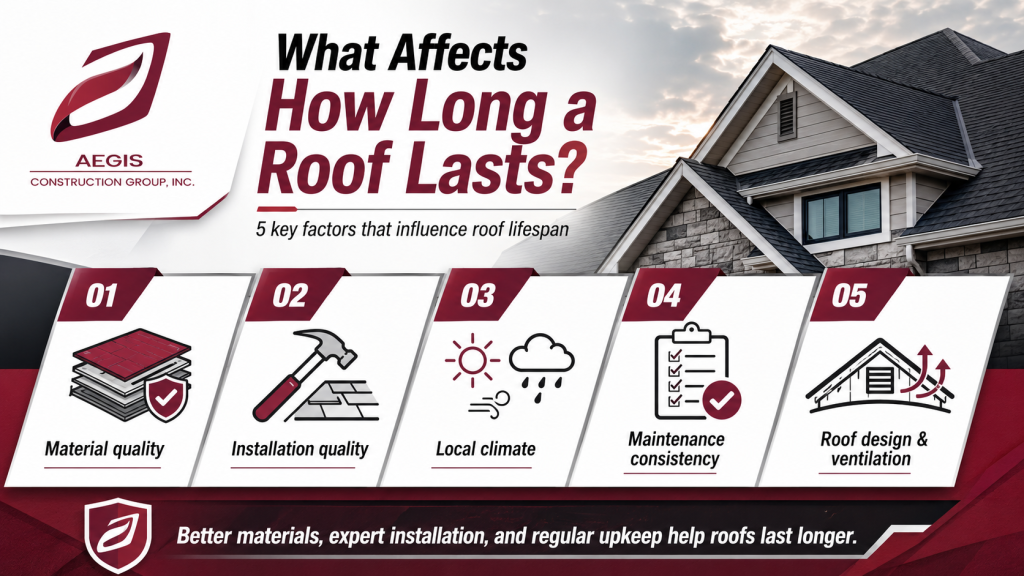
What Affects How Long a Roof Lasts?
Five factors determine most of a roof’s lifespan:
- Material quality
- Installation quality
- Local climate
- Maintenance consistency
- Roof design and ventilation
In the Chicago area, freeze-thaw cycles, heavy snow, hail, and strong winds all shorten roof life compared with milder climates, which makes installation quality and regular maintenance even more important here than the manufacturer’s rated lifespan suggests.
Can Regular Maintenance Extend the Life of Your Roof?
Yes. Preventative maintenance is the single most effective way to extend a roof’s life and avoid expensive repairs. Regular inspections catch small problems, a lifted shingle, a failing flashing seal, a clogged gutter, before they turn into water damage, rot, or structural issues. A roof inspected twice a year and repaired promptly will almost always outlast an identical roof that is ignored.
Should You Replace Your Roof Before It Leaks?
Sometimes, yes. Waiting for a leak means waiting for water damage. If your roof is near the end of its material’s lifespan, shows visible wear, has a spotty maintenance history, or has taken years of harsh weather, replacing it proactively is often cheaper than replacing it after a leak has ruined your attic, insulation, and ceilings. Weigh the roof’s age, material, visible damage, climate exposure, and maintenance history before deciding.
Roof Replacement Checklist for Homeowners
When it’s time to replace your roof, working through a checklist before, during, and after the project helps ensure a smooth outcome:
- Choose the right contractor: Research and select an insured and licensed roofing contractor with a track record in your area.
- Choose the right materials: Decide which roofing material fits your home, budget, and climate: asphalt shingles, metal, tile, or another option.
- Get an inspection first: A professional inspection of your current roof will uncover any underlying issues (like rotted decking) that need to be addressed during the replacement.
- Tell your neighbors: Roof work is loud. A heads-up goes a long way.
- Prepare the exterior: Move outdoor furniture, vehicles, grills, and potted plants away from the work area.
- Secure the interior: Take fragile items off the walls and cover or secure anything stored in the attic; the vibration from tear-off travels through the whole house.
Frequently Asked Questions
How often should a roof be replaced?
Most asphalt shingle roofs in the Chicago area need replacement every 20 to 25 years. Metal lasts 40 to 70 years, tile 50 to 100, and slate 75 to 100 or more. Condition matters more than age, so replace sooner if you see recurring leaks, widespread shingle damage, or a sagging roofline.
What are the signs I need a new roof?
The clearest signs are curled or missing shingles, recurring leaks, granules collecting in the gutters, damaged flashing, moss growth, and a sagging roofline. A sagging roofline is the most serious and needs immediate attention.
Is it cheaper to repair or replace a roof?
A repair is cheaper for isolated damage on a structurally sound roof. If you are repairing the same roof every season or it is past 75 percent of its lifespan, a full replacement usually costs less over time.
How long does a roof last in Chicago?
Shorter than the national averages because of our freeze-thaw winters, hail, and storms. Plan on 20 to 25 years for asphalt shingles, versus the 30 years often quoted nationally.
Professional Roof Replacement in Illinois
A roof replacement is one of the largest expenses a homeowner faces, but it rarely has to come as a surprise. Know your material and its lifespan, watch for the warning signs, and stay on top of inspections, and you can plan and budget for a replacement years in advance instead of scrambling after a leak.
If your roof is showing its age, or you simply do not know how much life it has left, Aegis Construction Group, Inc. can give you a straight answer. We provide roof repair and roof replacement throughout Chicago and the surrounding Chicagoland suburbs, and every project starts with a free roof inspection, including drone technology that evaluates the full condition of your roof without guesswork.
After the inspection, we tell you exactly where your roof stands: how much life it has left, whether repair or replacement makes better financial sense, and what the timeline and cost look like, all in a written, itemized estimate. If storm, hail, or wind damage is involved, we can also help you navigate the insurance claim. Every replacement we install is backed by a 10-year craftsmanship warranty.
Call Aegis Construction Group, Inc. today at (773) 812-3447 to schedule your free roof inspection.